Electrical emergency?
Call 609-238-4689 now, day or night.

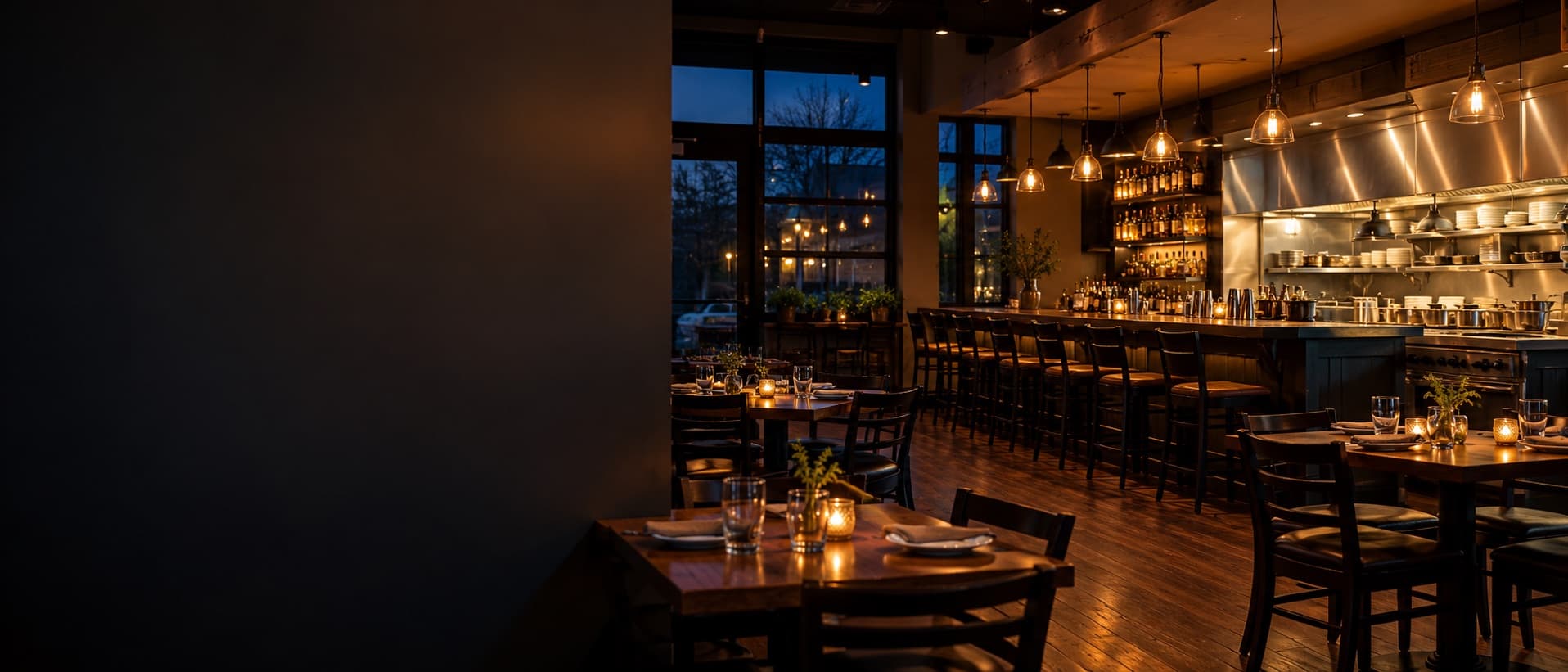
When a breaker trips in the middle of dinner service, the whole kitchen stops. Chris answers 24/7, and you know the price before he starts.
Dedicated circuits for kitchen equipment, GFCI protection, lighting for the dining room and the bar, and repairs for restaurants and bars across South Jersey. Licensed and insured, free estimate, price agreed before work starts.
- Licensed
- NJ #19320
- Insured
- Proof available on request
- 5.0 from 28 reviews
- Emergencies
- 24/7, he picks up
Get a commercial estimate
Tell him about the property. He answers his own phone.
- 5.0 rating on Google
- 28 five-star reviews
- NJ licensed #19320
- Insured
- Free estimates
- 24/7 emergency service
- Residential and commercial
- Based in West Berlin, NJ
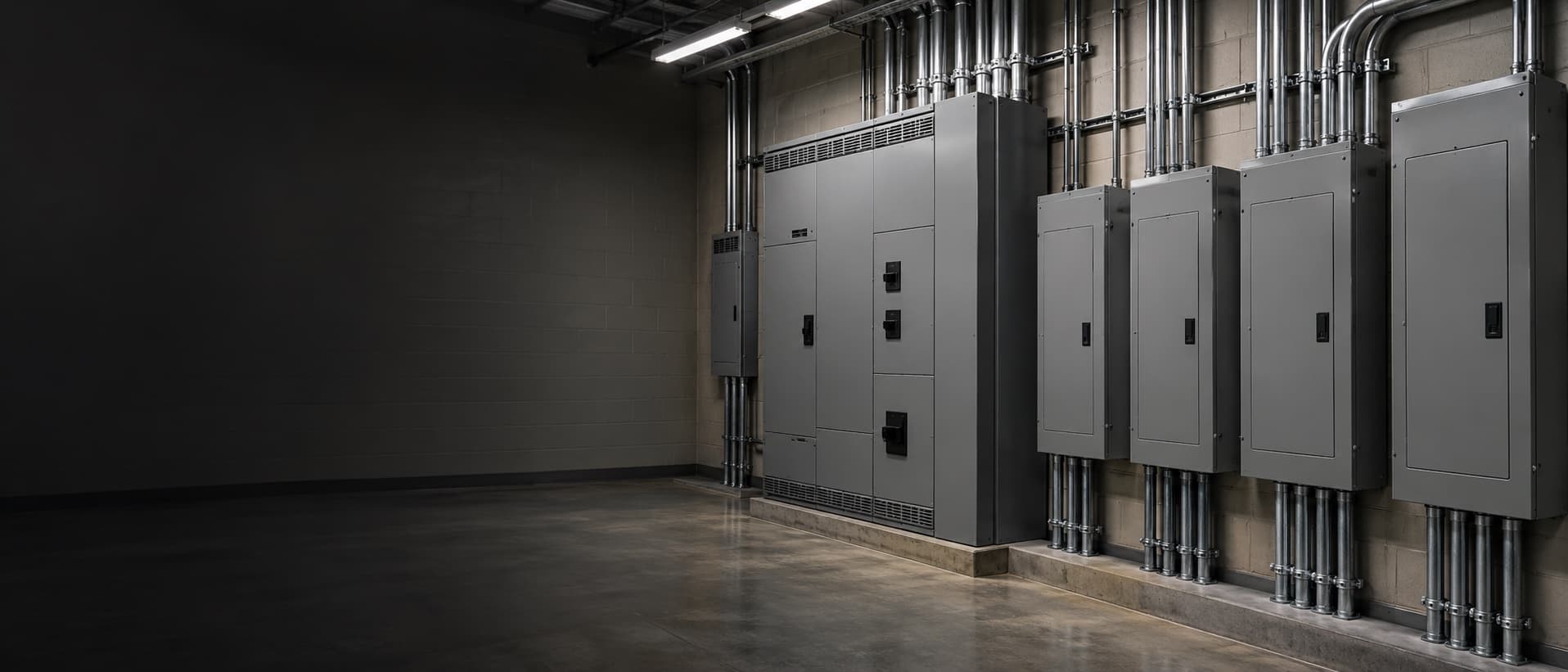
What he does
The kitchen, the dining room and the bar, on circuits that hold up.
Dedicated circuits for kitchen equipment
Their own line for ovens, fryers, coolers and dish machines, so one does not trip the rest.
GFCI protection
The protection the code asks for in commercial kitchens and near sinks, put in right.
Dining room and bar lighting
Pendants, dimmers and fixtures that set the room, and a bar that is lit where it needs to be.
Hood and walk-in power
Circuits for the hood, the walk-in and the equipment that has to run all day.
Panels and service upgrades
A panel that can carry a full kitchen, labelled so anyone can find the right breaker.
Emergency repairs
The trip in the middle of service, answered 24/7.
His work
His commercial work, photographed on the job.
Two new panels set side by side, an apartment panel opened up for a breaker swap, and LED lighting across a steel building.
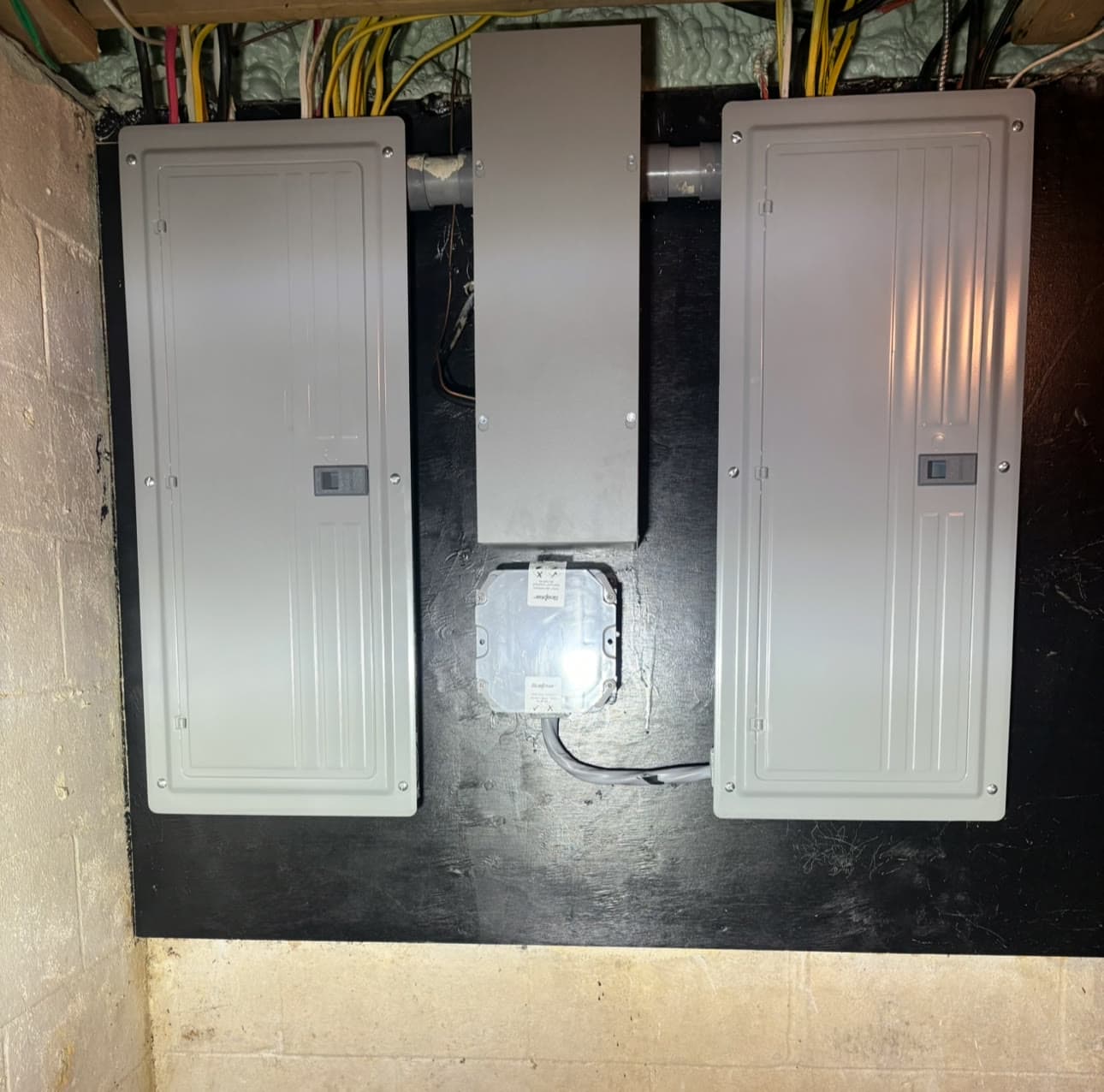
Two new panels, set side by side
South Jersey
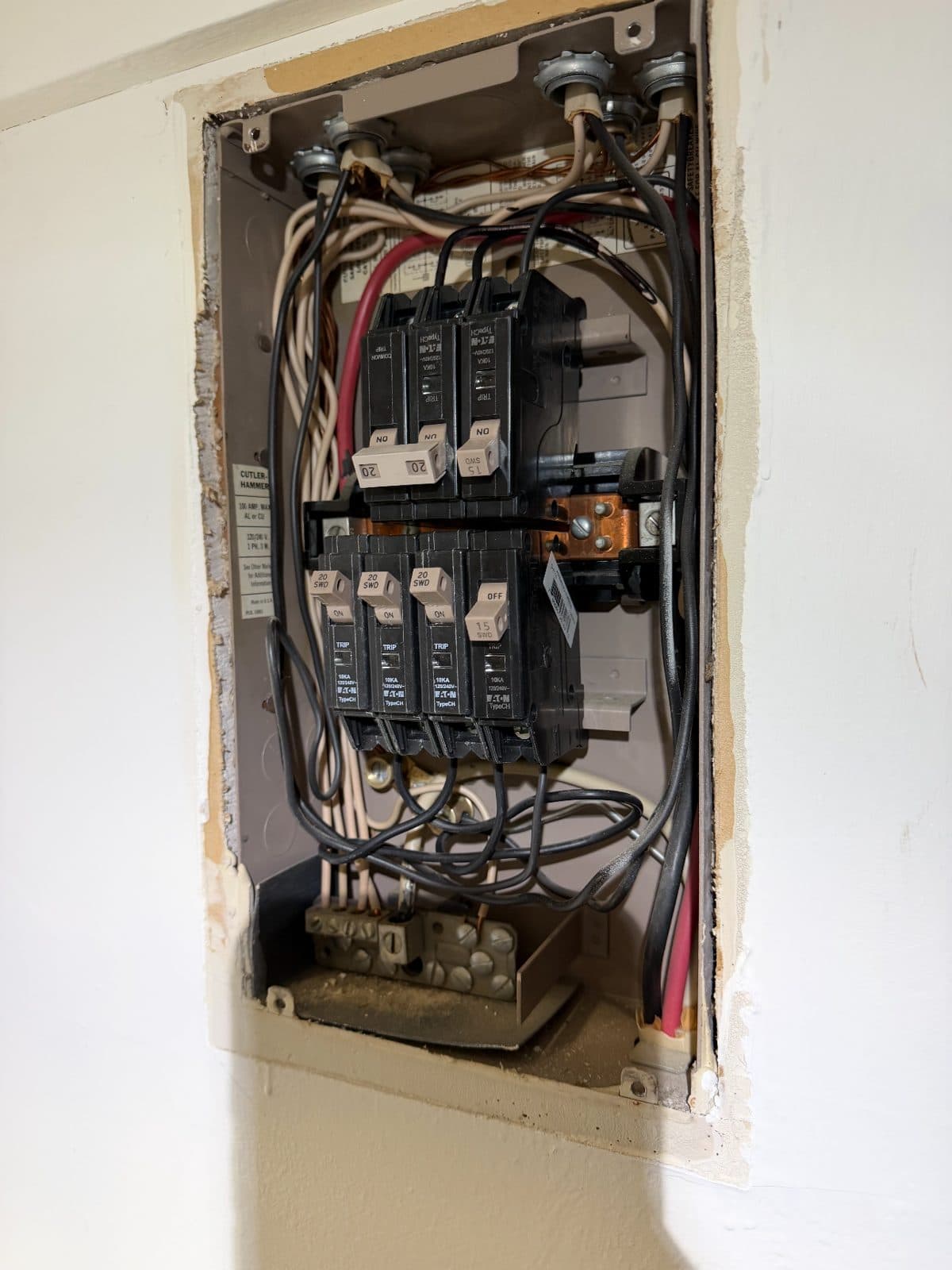
An apartment panel opened up for the breaker swap
Lindenwold, NJ
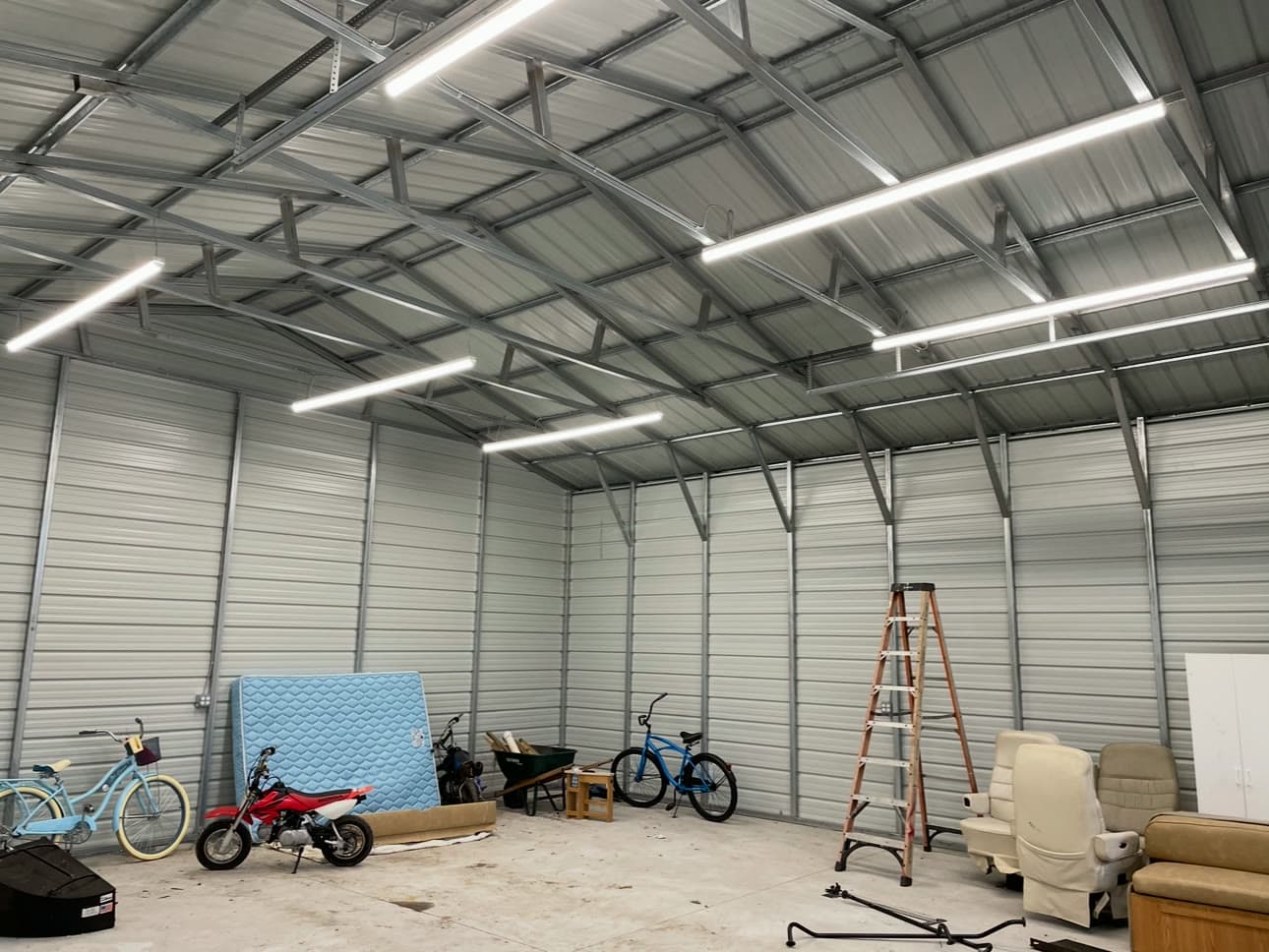
LED lighting across a steel building
South Jersey
Good to know
What New Jersey asks of restaurants and bars, and what it means for the job.
- GFCI in commercial kitchens
- NEC 210.8(B) requires GFCI protection on nearly all commercial kitchen receptacles, and now covers any area with a sink and permanent food or beverage prep setup. Source
- Permits for new kitchen circuits
- New circuits or a subpanel for kitchen equipment are permitted work under N.J.A.C. 5:23-2.14, inspected before they are used. Source
- Emergency lighting testing schedule
- Emergency lights and exit signs need a logged 30-second test monthly and a full 90-minute load test annually, with failing units repaired or replaced. Source
How a commercial job runs
He looks at the job first, and the price comes before the work.
01
He comes out and looks
The price comes from what is actually there, so the first step is a look at the panel, the space and what you want done. Anything that changes the scope, you hear about before the number.
02
One price, agreed first
The estimate is free, and the number is agreed before any work starts.
03
The permit goes in
New circuits, panels and wiring are permitted work in New Jersey, so the permit goes through the municipal construction office and the inspection closes it out.
04
Labelled and left clean
Every breaker he touches gets a clear description of what it feeds, so the next call starts with a panel anyone can read.
Before the work starts
Questions owners and managers ask.
Straight answers, read off the code and the state's own rules.
01Does my kitchen need GFCI-protected outlets?
Yes. The National Electrical Code requires ground-fault circuit-interrupter protection on nearly all receptacles in a commercial kitchen, and the rule now also covers any area with a sink and a permanent setup for food or beverage prep, even without a stove. That can include a bar prep station, coffee counter, or employee break room sink. This protects staff from shock around water and cooking equipment.
02Should my fryers, ovens and walk-in coolers be on their own circuits?
Yes, heavy kitchen equipment like fryers, ovens, grills, and walk-in coolers should each be on its own dedicated circuit rather than sharing one with other loads. Sharing circuits causes voltage drops that shorten motor and compressor life and raises the risk of overheated wiring. It also means one tripped breaker won't take down multiple pieces of equipment at once during service.
03Do I need a permit before adding circuits for new kitchen equipment?
Yes, adding new circuits, a subpanel, or rewiring for new or upgraded kitchen equipment requires a construction permit under New Jersey's Uniform Construction Code, filed by a licensed electrical contractor. The work also needs to pass inspection before it's used. This is separate from any health department or fire permits tied to the equipment itself.
04What emergency lighting do I need in my dining room and bar?
Battery-backed emergency lights and illuminated exit signs need to stay lit for 90 minutes if the power goes out, with a monthly 30-second check and a full annual 90-minute load test. These checks have to be logged with the date and who did the test. A unit that fails the annual test has to be fixed or replaced, not just noted and left.
Other commercial work
He works on every kind of commercial property, from one storefront to a whole complex.
Licensed and insured, NJ #19320. If your building is not on this list, call anyway.
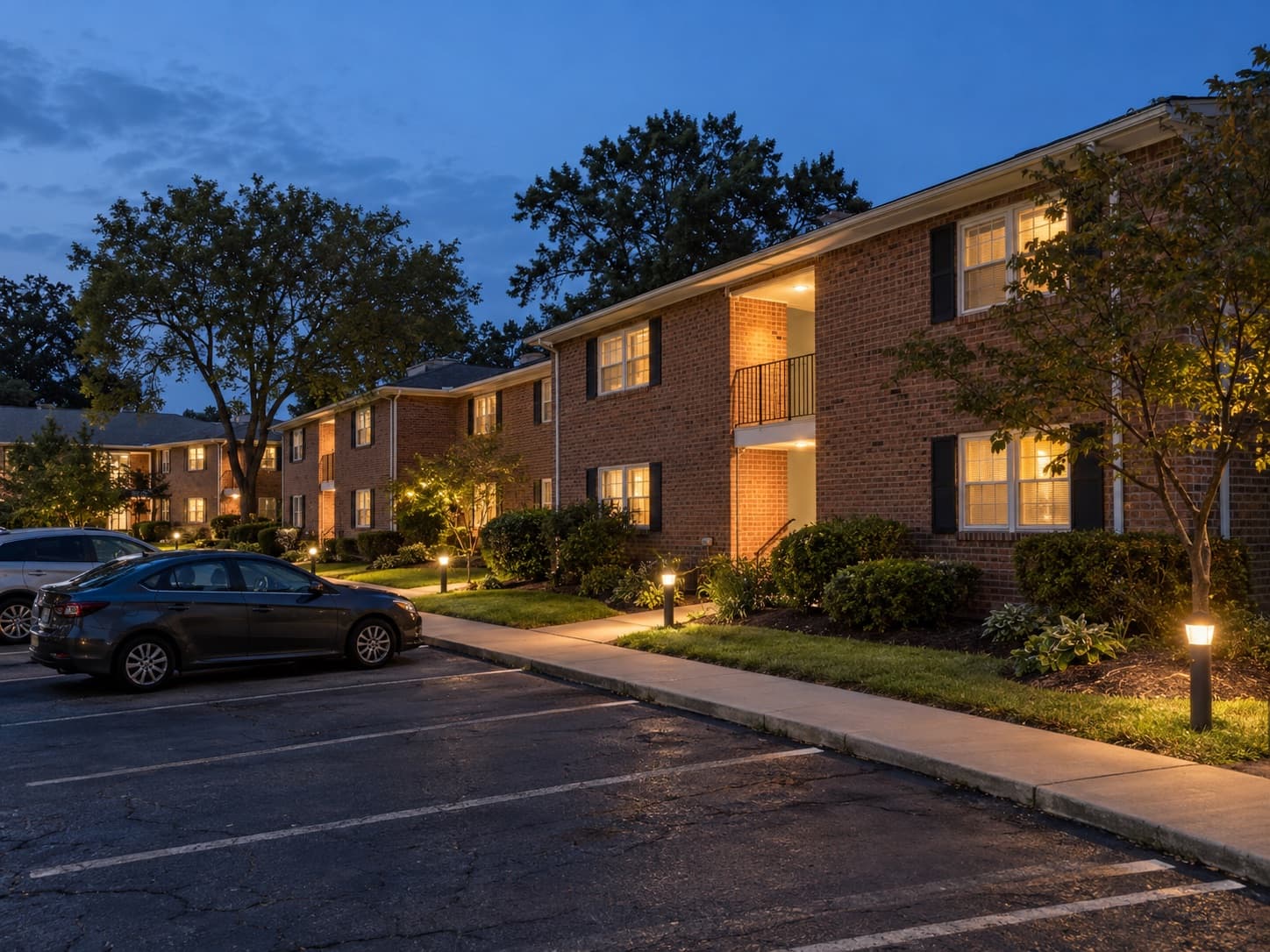
Apartment complexes
Turnovers between tenants and the same fix run through every unit, priced as one job.
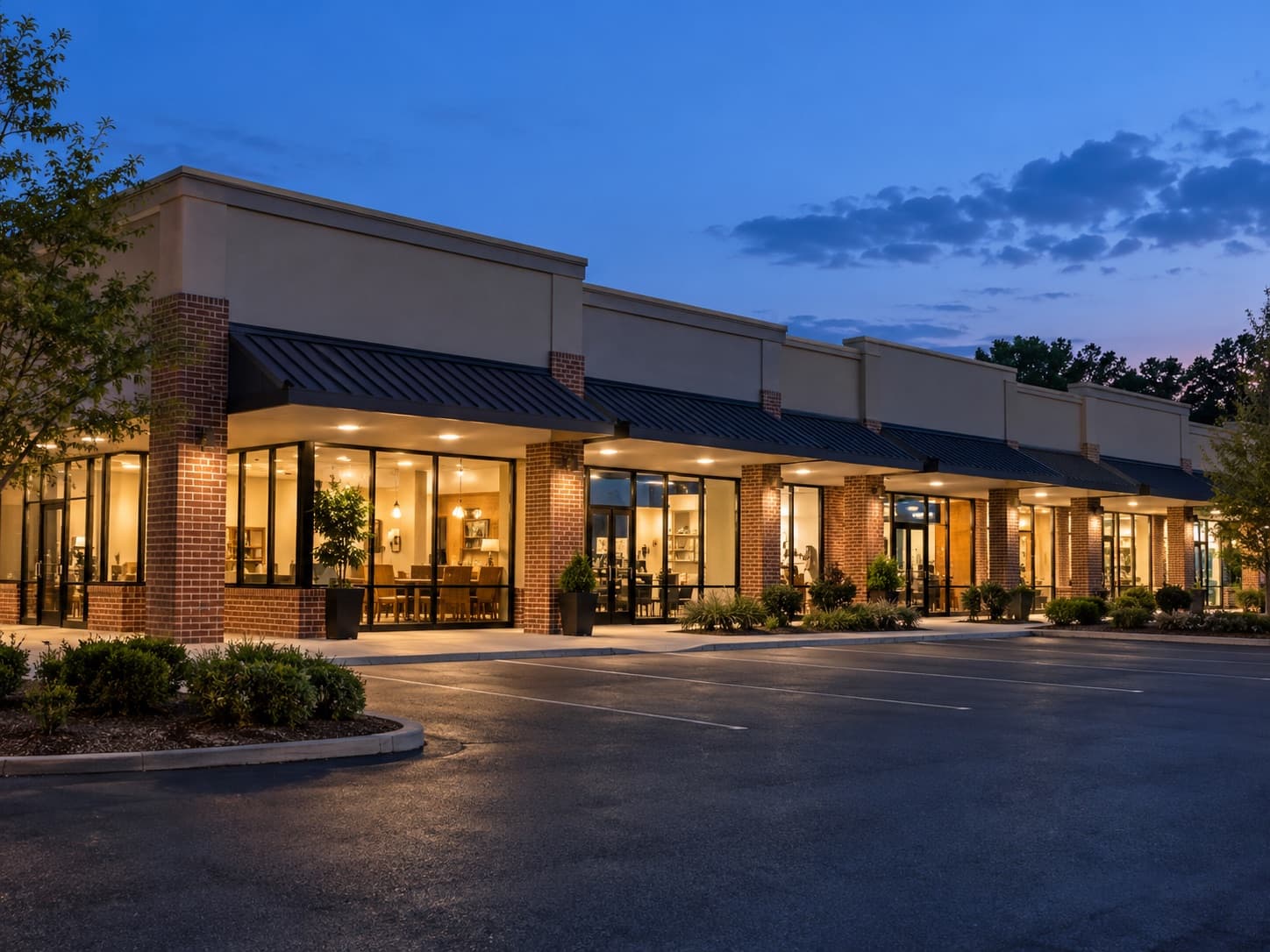
Retail, strip malls and storefronts
Storefront, canopy and parking lot lighting, and power where the layout changed.
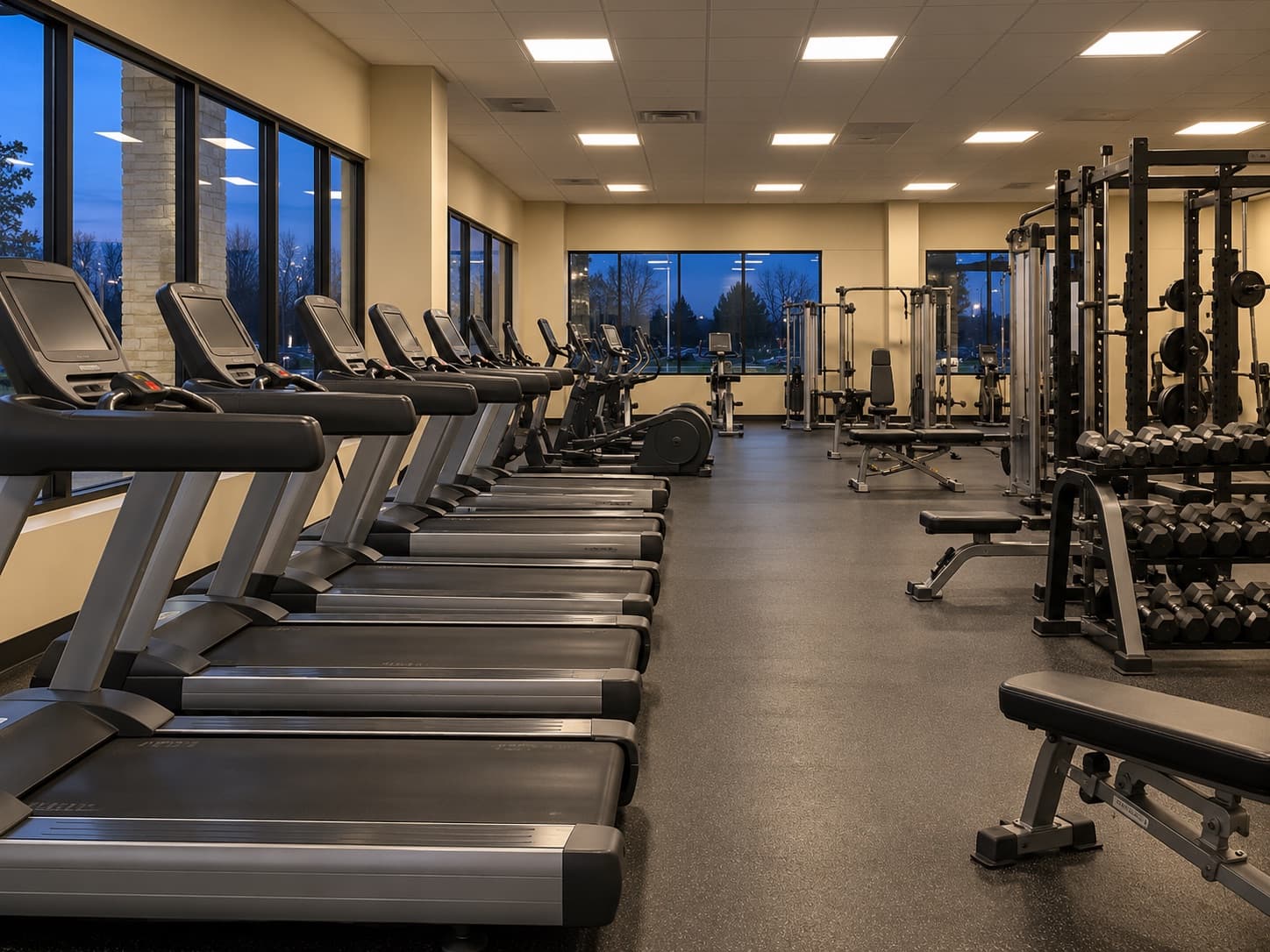
Gyms and fitness studios
Power for the equipment floor and bright, even lighting.
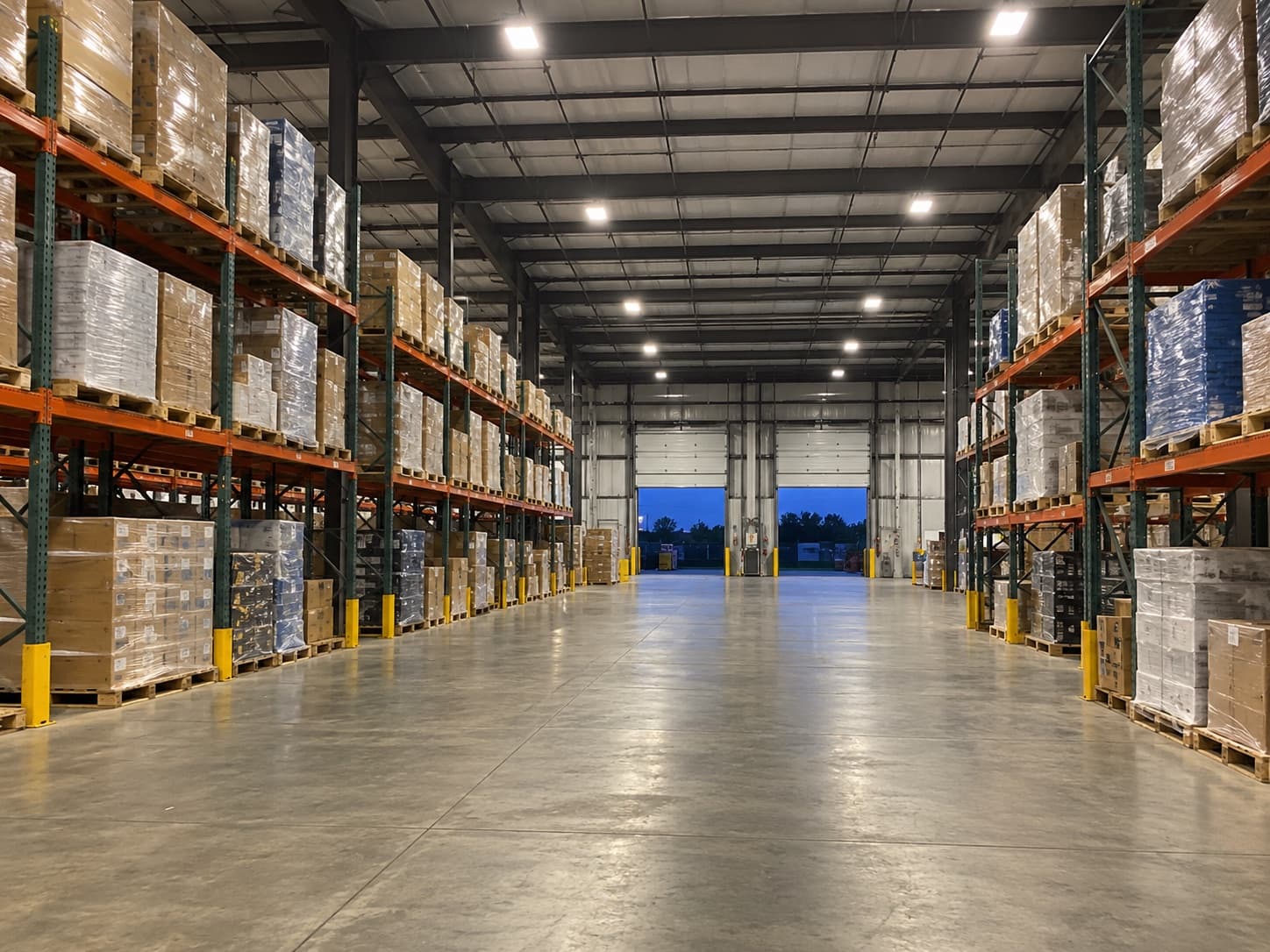
Offices and warehouses
LED high-bays across the ceiling, build-outs and power where the work happens.
Get the price first
Tell him about the property and he will tell you what it costs.
The estimate is free. It helps to have these ready:
- What equipment is on the line, or what you are adding.
- What is tripping or not working, and when it happens.
- A photo of the panel with the door open.
- Your open hours, so the work fits around service.
- Who can let him in.
Get a commercial estimate
Free, and the price is agreed before work starts.